November 1, 2026
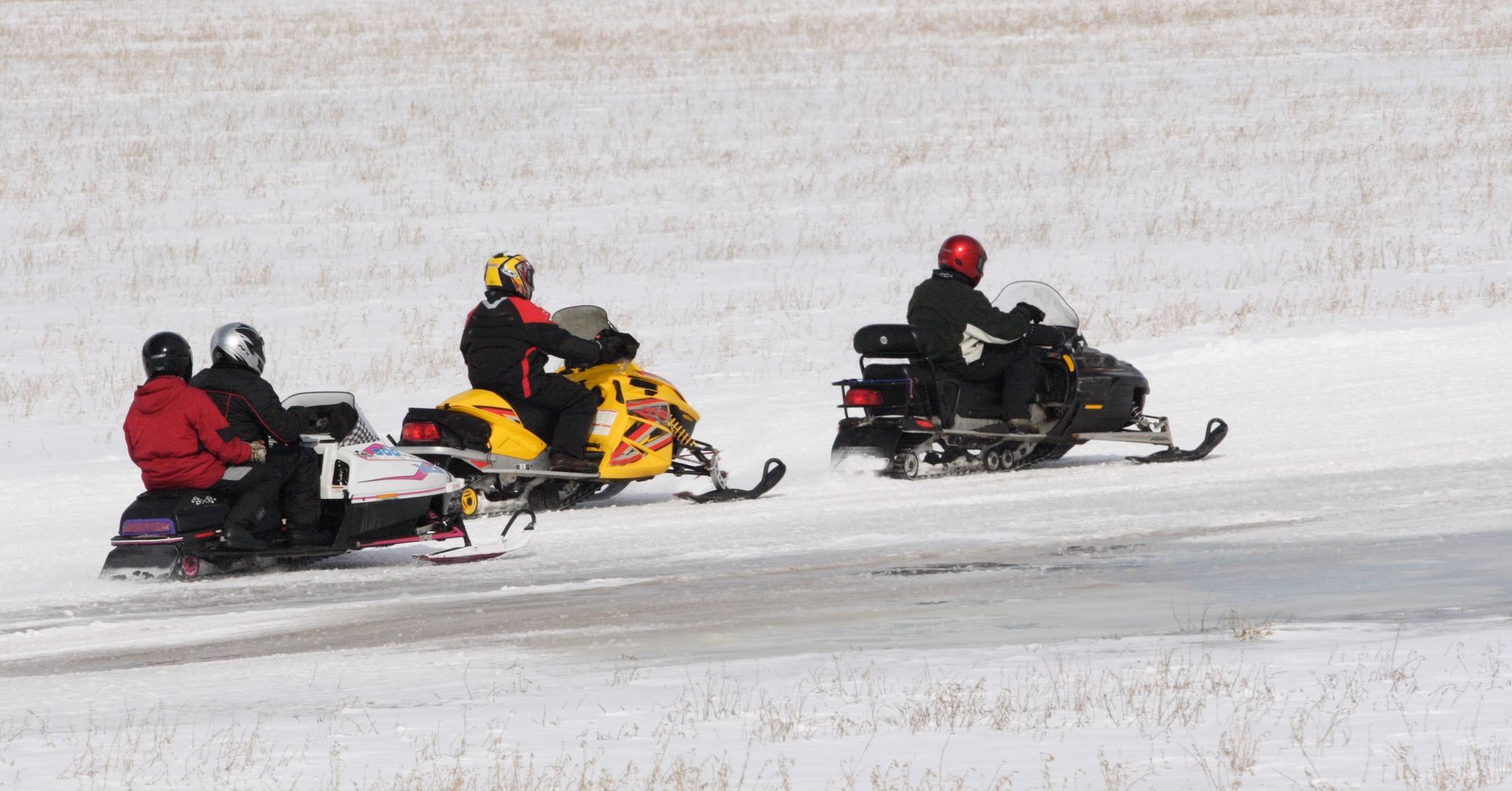
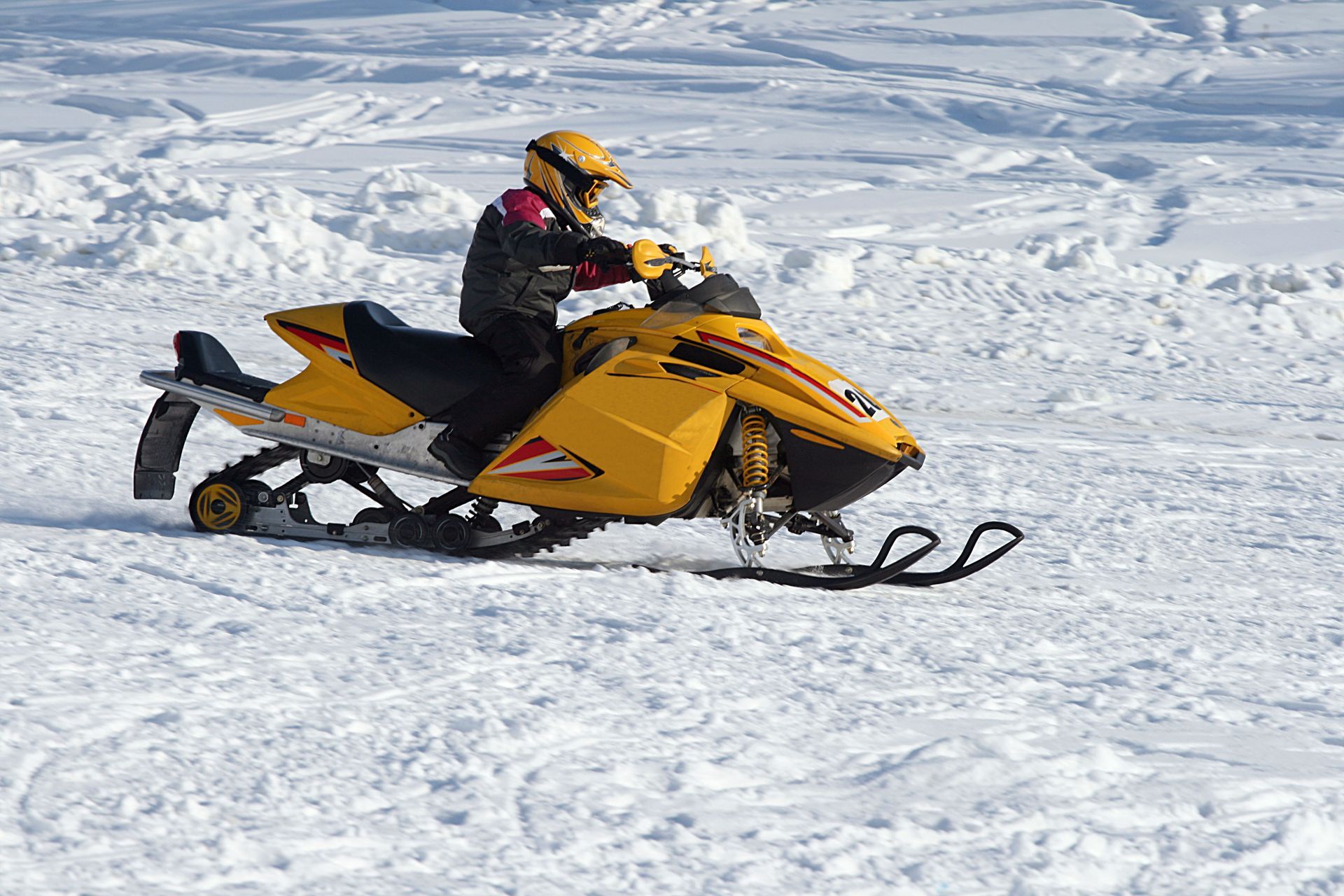
Snowmobiling offers an exciting way to explore winter landscapes, travel across snowy trails, and enjoy the outdoors during colder months. Whether riders are experienced enthusiasts or newcomers planning their first excursion with snow mobile rentals, safety should always come first. These seven safety tips cover the equipment, planning, riding habits, and emergency preparations that help make every snowmobiling adventure safer.
1. Wear Appropriate Protective Gear
Proper protective gear is one of the most important parts of a safe snowmobiling experience. Winter conditions can expose riders to freezing temperatures, wind, blowing snow, and sudden changes in visibility. Protective clothing helps maintain warmth while reducing the risk of injuries from falls, collisions, and contact with branches or other obstacles. Before heading onto a trail, riders should make sure every essential item fits correctly and is designed for snowmobiling conditions.
A properly fitted, approved snowmobile helmet should always be a priority. Helmets help protect the head during impacts and can reduce exposure to wind and cold. Riders should also wear goggles or a helmet visor that provides clear vision while protecting their eyes from snow, debris, and wind. Fogging can interfere with visibility, so appropriate anti-fog features and well-maintained eye protection are valuable considerations.
People arranging snow mobile rentals should ask the rental provider which protective items are included and which they must bring themselves. A reputable provider can explain helmet requirements, equipment fitting, and any additional clothing recommendations for local conditions. Riders should never assume that ordinary winter clothing provides the same protection as specialized snowmobiling gear.
2. Check the Snowmobile Before Every Ride
According to Snowmobile, 92,387 snowmobiles were sold worldwide in 2025, but not all are created equal. An inspection helps identify mechanical issues before they become serious problems on the trail. Cold temperatures can affect batteries, fuel systems, moving components, and other equipment. Snow and ice can also accumulate around critical parts, making routine checks particularly important before starting a journey.
Begin by examining the machine for visible damage, loose components, leaks, or anything that appears out of place. Check the throttle and brake controls to confirm that they operate properly, and inspect the skis, track, lights, and other essential components according to the manufacturer's instructions. Ensure that the emergency stop switch functions as intended and that the fuel level is sufficient for the planned outing.
When using snow mobile rentals, ask the provider to explain the machine's controls and demonstrate the basic operating procedures. Renters should know how to start and stop the snowmobile, operate the brakes, activate the emergency switch, and respond to common warning indicators. Reporting existing damage before departure can also prevent misunderstandings and ensure that maintenance concerns receive attention.
3. Understand the Trail and Follow Posted Rules
Familiarity with the planned route can make a substantial difference in rider safety. Snowmobile trails vary in difficulty, surface conditions, elevation, and the number of other users. Some routes pass through wooded areas with limited visibility, while others cross open terrain where wind can quickly change the snow conditions. Riders should choose trails that match their experience and the capabilities of their machines.
Before setting out, review trail maps and check for closures, restricted areas, hazards, and local operating requirements. Stay on authorized routes and obey posted speed limits, directional signs, and warnings. Trails may pass through private property, protected areas, or locations where snowmobiling is permitted only under specific conditions.
Those booking snow mobile rentals in an unfamiliar destination should ask which routes are suitable for their skill level. Rental staff may be able to identify beginner-friendly trails, explain local signage, and point out areas that require extra caution. A route that looks straightforward on a map may be more challenging when covered in deep snow or affected by poor visibility.
4. Monitor Weather and Snow Conditions
Winter weather can change rapidly, and conditions that seem manageable at the start of a ride may become hazardous later. Heavy snowfall can obscure trail markers, while blowing snow and fog can reduce visibility. Wind chill increases the risk of cold-related injuries, and sudden temperature changes can affect snow stability and the condition of frozen surfaces.
Check the local forecast before departure and continue paying attention to changing conditions during the outing. Riders should understand the expected temperature, wind, snowfall, and visibility for the entire period they plan to be outside. A clear morning does not guarantee safe conditions throughout the afternoon or evening.
When conditions deteriorate, shorten the ride or turn back if necessary. People using snow mobile rentals should ask about local weather patterns and any current trail advisories before leaving the rental location. Following professional guidance can help visitors avoid routes that are unsuitable for the day's conditions.
5. Ride at a Safe Speed and Maintain Control
Speed affects how quickly a rider can respond to unexpected obstacles, turns, changing surfaces, and other snowmobiles. Even on a wide trail, traveling too fast can make it difficult to stop safely or maintain control. Riders should select a speed that allows them to see the route ahead, react to hazards, and remain within their ability to handle the machine.
Posted speed limits should always be followed, but the legal maximum is not necessarily a safe speed for every situation. Narrow trails, icy patches, steep slopes, low visibility, and heavy traffic may require substantially slower travel. Riders should also reduce speed when approaching intersections, bridges, and areas where pedestrians or other trail users may be present.
Anyone new to snowmobiling should practice basic handling in a permitted, open area before tackling more demanding routes. Riders arranging snow mobile rentals can ask whether introductory instruction is available. Taking time to learn how to brake, turn, and accelerate can improve confidence without encouraging unnecessary speed or risky behavior.
6. Travel With a Plan and Tell Someone Where You Are Going
Even experienced riders can encounter unexpected delays, mechanical failures, changing weather, or injuries. A clear trip plan helps reduce confusion if someone does not return when expected. Before leaving, decide which trails to follow, how far the group intends to travel, and when everyone should be back.
Share the itinerary with someone who is not joining the ride. Include the planned departure time, intended route, expected return time, and contact information for the group. Agree on a check-in procedure where practical, and make sure the person receiving the plan knows whom to contact if the group fails to return as scheduled.
Those using snow mobile rentals should confirm the provider's return requirements and emergency contact procedures. Ask whether the rental includes route guidance, designated riding areas, or restrictions on how far the machine may travel. Keeping these details accessible can help prevent avoidable complications during the outing.
7. Carry Emergency Supplies and Communication Devices
Preparation matters because cell service may be limited in remote winter environments. A minor delay can become more serious when temperatures are low, daylight is fading, or a rider cannot contact help. Carrying appropriate emergency supplies gives riders more options if they must stop unexpectedly or wait for assistance.
A well-prepared rider should consider bringing a fully charged mobile phone, a portable power bank, a map of the area, and a whistle. A first-aid kit, flashlight or headlamp, extra gloves, warm layers, water, and high-energy snacks can also be valuable.
A successful snowmobiling trip isn't measured by speed or distance. It's measured by the ability to enjoy the winter landscape while making decisions that protect everyone in the group. By following these safety tips, riders can approach each outing with greater awareness, better preparation, and a stronger commitment to returning home safely. To secure snow mobile rentals this winter, contact our team at Big Boys Toys Rentals today!